
The Woodland Park Zoo in Seattle is taking wildlife conservation beyond traditional zoo and aquarium settings via its Empathy Champions initiative
Empathy Champions builds on the zoo's wider Advancing Conservation through Empathy for Wildlife (ACE for Wildlife) Network, which launched in 2019 with a focus on conservation-focused community outreach.
Through the Empathy Champions initiative, zoo and aquarium professionals are bringing conservation to communities across the US in a bid to foster greater understanding and compassion for wildlife.
In the programme's first year, professionals from zoos and aquariums in nine different states co-designed public engagement activities with partners including healthcare clinics and tourism companies.
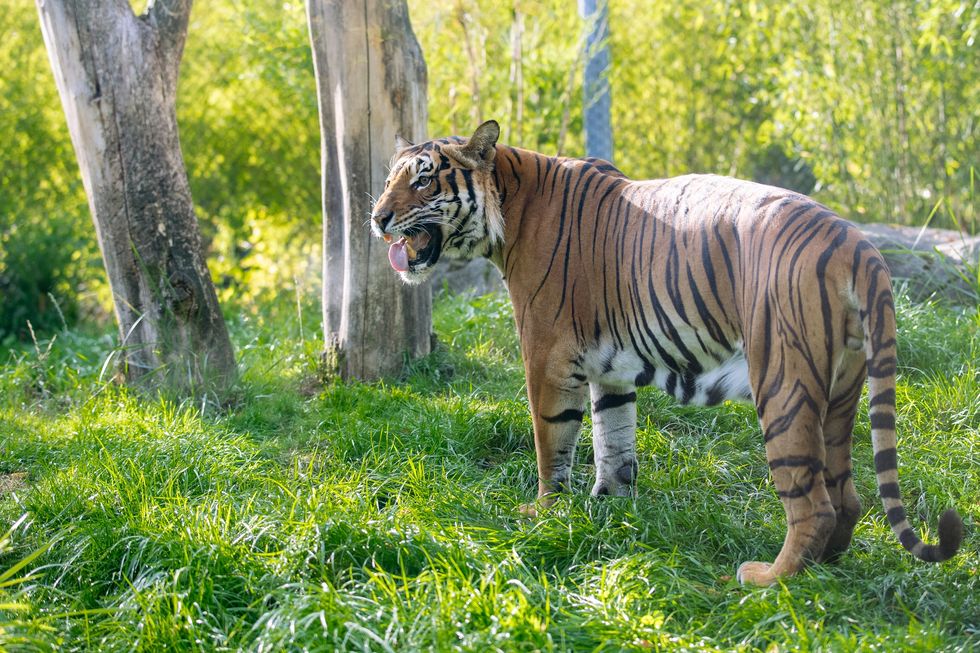 Empathy Champions builds on the Woodland Park Zoo's wider ACE for Wildlife Network, which launched in 2019Jeremy Dwyer-Lindgren / Woodland Park Zoo
For example, Lake Superior Zoo in Minnesota and First Street Pediatrics created a space for young patients to read books about local zoo animals' health challenges.
In Seward, Alaska, a wildlife tour operator worked with Alaska SeaLife Center interpreters and Alaska Native communities to help boat captains and crew communicate with tourists in a way that encourages them to care about the animals they see.
"It’s inspiring to see our network bringing empathy for wildlife into communities in new and meaningful ways,” said Marta Burnet, director of advancing empathy at Woodland Park Zoo.
“Empathy Champions are building on a decade of learning in zoos and aquariums to help more people see themselves as conservationists – and turn care for animals and people into action."
Empathy Champions programme
A new group of Empathy Champions will start working on empathy initiatives and outreach projects in rural, suburban and urban communities across the US this month.
Partners for this year include the Detroit Zoological Society, the Minnesota Zoo, and the Peggy Notebaert Nature Museum.
Professionals who are interested in learning more about empathy’s connection to wildlife conservation can explore the ACE for Wildlife Network’s introduction to empathy.